The People Behind Every
Barn, Horse Show, and Ride
No employer-provided health insurance. No paid sick leave. No pension. When a trainer, groom, rider, or service provider faces crisis, the equestrian industry's most essential people are also its most exposed.
An Industry Built on People Without Safety Nets
The equestrian world is sustained by a workforce of independent professionals — trainers who run their own businesses, grooms whose days begin before dawn, riders whose livelihoods depend entirely on their physical ability, and service providers whose income is tied to the health of the industry around them.
Most of them have no employer. Many have no health insurance. Few have savings deep enough to absorb a medical crisis, a barn fire, or a season that shuts down overnight. When something breaks, there is no HR department and no paid leave.
EAF has spent thirty years understanding who these people are and how to get help to them — quickly, directly, and with full dignity.
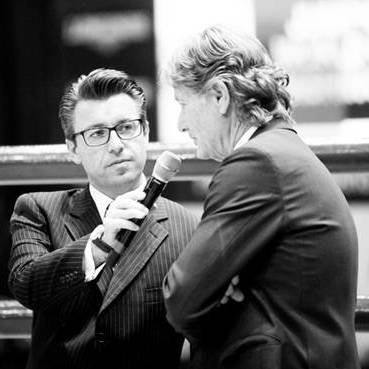
Trainers
Independent professionals running their own operations — no employer benefits, no paid sick leave. A single serious injury can shutter a business that took twenty years to build.
Grooms
On the ground before dawn, last to leave at night. The physical demands are real, and the compensation rarely matches the skill required or the risk carried.
Riders
A broken collarbone, a concussion, a fall that ends a season — or a career. Competitive and working riders carry physical risk as a daily condition of employment.
Service Providers
Farriers, veterinary technicians, transporters, freelance judges, braiders — the network of professionals who keep every barn and every horse show running.
30 Years of Crisis Response
for the equestrian community
The Specific Conditions We Respond To
Grant recipients come to EAF after illness, injury, or disaster — not because they failed at their careers, but because the equestrian industry does not have the infrastructure to catch them when they fall.
A serious diagnosis does not pause the rent. Many equestrian professionals have no disability coverage and no employer to carry their health costs.
Fractured vertebrae. A crushed foot. Repetitive damage to wrists and shoulders. Equestrian work is physically demanding in ways few industries outside of construction understand.
Everything gone overnight — equipment, horses, livelihood. Barn fires destroy not just property but the professional infrastructure built over a lifetime.
Hurricane Ian. California fire seasons. When weather becomes catastrophe, equestrian operations are among the hardest hit — and the hardest to recover through traditional relief channels.
Unexpected expenses, medical debt, a client who disappears, a horse who can no longer work. The margins of an equestrian career are real and fragile.
Horse shows canceled. Training programs shuttered. The ERGO program was born from this — because equestrian professionals were critically underserved by mainstream pandemic relief.
Faces of the Equestrian Community
EAF shares these stories as a privilege — because every person who applied trusted us with their hardest moment. These are not cautionary tales or charity campaigns. They are a record of what the equestrian community looks like when it takes care of its own.
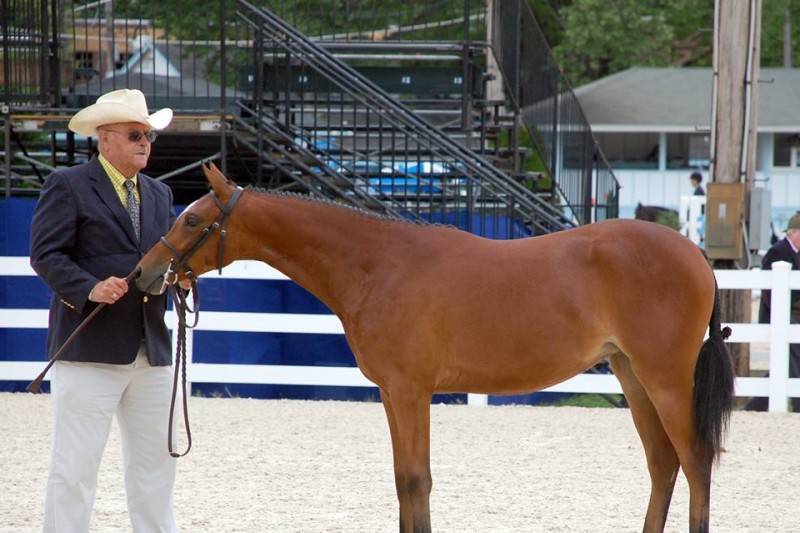
Meet Raymond
A Legend of the Hunter Ring
Raymond is a veteran of the hunter ring whose story exemplifies the resilience and determination of equestrian professionals who have given their lives to the sport.
Read Raymond's Story
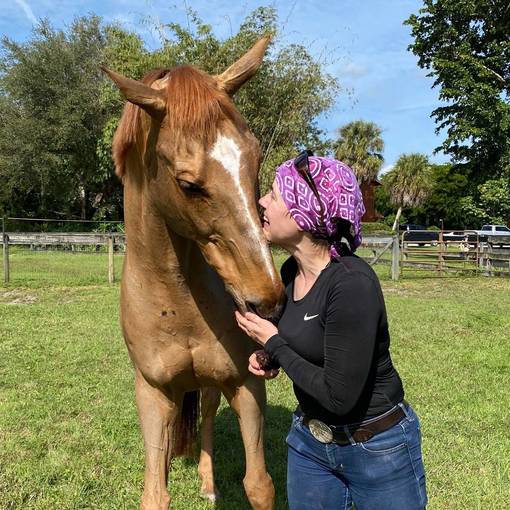
Meribeth's story is one of resilience and reinvention, finding the courage to rebuild her life with the support of the Equestrian Aid Foundation.
Alena's journey from crisis to recovery embodies the hope and healing that the Equestrian Aid Foundation provides to equestrian professionals in need.
Allison's family-centered support story illustrates how EAF's grants extend beyond the individual to strengthen the families that depend on equestrian professionals.
EAF Is Not the Only Door
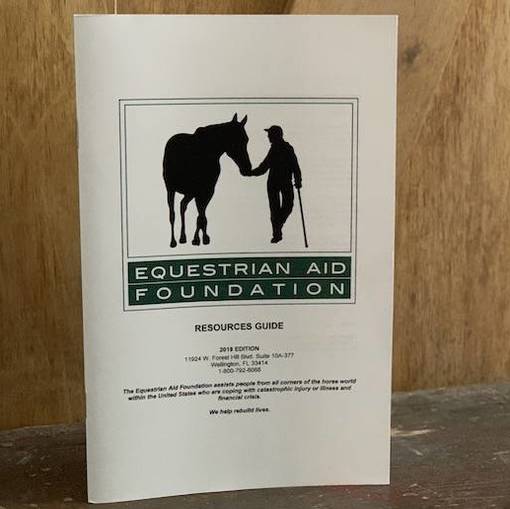
Whether or not you qualify for an EAF grant, there is more help available. Over thirty years in this community, we have built a guide to the organizations, programs, and professionals who can help — and we want to connect you to every resource that is open to you.
The Resources Guide covers financial assistance programs, healthcare and injury recovery resources, disaster relief organizations, and career transition support. Updated to reflect the current landscape of help that actually exists for equestrian professionals.
If You Need Help, We Are Here
All applications are handled with full confidentiality and with the dignity every equestrian professional deserves. If you or someone in the equestrian industry is facing a crisis, reach out. There is no wrong time to ask.